

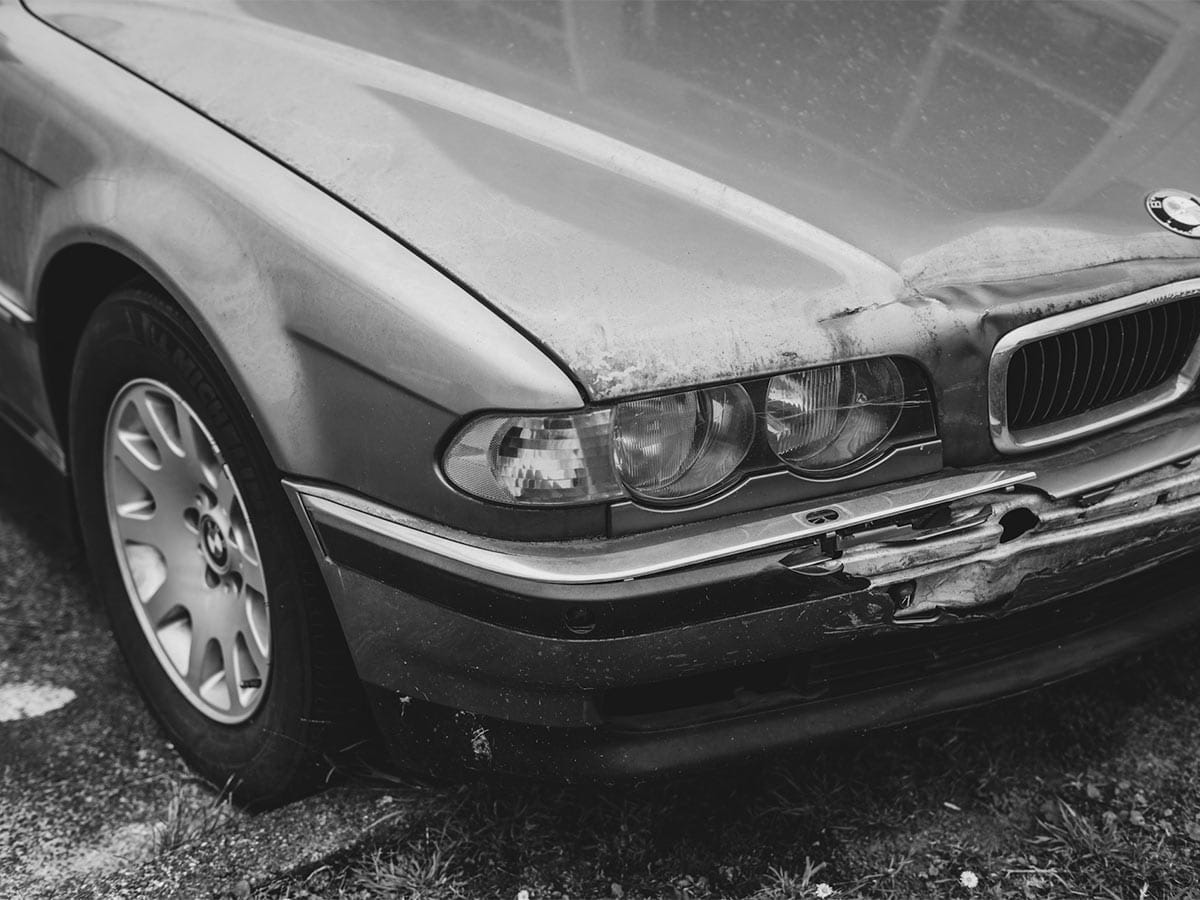
When buying a used car, you will inevitably see the phrase ‘clean title‘, and many buyers assume this means that the car has never been involved in an accident. This is a costly assumption to make. As someone who has been involved in auto care for years and worked with countless customers, I’ve witnessed too many people making buying a car decisions without having the whole picture about whether do cars with minor accidents have clean title.
The situation is more complex than most buyers think. Yes, clean titles exist for cars that have been involved in minor accidents, and knowing this difference could save you thousands of dollars and allow you to find a trustworthy vehicle for yourself.
1. Clean Titles Vs. Accident History Explained
A clean title doesn’t mean it’s accident-free. It basically means that an insurance company has never declared a vehicle a total loss. This is a very important distinction that many car buyers get wrong.
1.1 What Exactly Is a Clean Title?
A clean title means that the vehicle has never been branded as salvage, rebuilt, or flood-damaged by the Department of Motor Vehicles. The vehicle has not been declared a total loss, which would mean the repair costs were over the threshold set by the insurance company (usually between 70 and 80 percent of the vehicle’s value).
Basic elements of a clean title:
- No significant structural damage such that a total loss designation is required
- Vehicle is able to be registered and insured without impact
- No liens and no legal claims against ownership
- not salvage title, flood, or lemon law vehicles
2. Minor Accidents and Clean Titles
Can a car have a clean title with an accident? Absolutely. Lesser accidents that do not result in a declaration of total loss leave titles intact. These include:
- Cosmetic damage (rear-end fender benders)
- Scrapes and door dings in the parking lot
- Broken headlights or minor damage to the bumpers
- Minor dents and scratches, and paint chips
I recall helping a customer who was concerned about a clean title Toyota Camry with a CarFax report with a small rear-end collision. The repair cost was $2,800 on a car worth $15,000 — well below the total loss threshold. The vehicle had been professionally fixed and ran perfectly, but the buyer got it for $ 2,000 less than other comparable cars without damage.
2.1 When Do Minor Accidents Affect Titles?
2.1.1 Reporting Requirements Vary By State
Do minor car accidents need to be reported? This depends on where you are and the situation:
- Texas: Accidents are required to be reported if there is injury, death, or property damage exceeding $1,000
- California: Reportable injuries, deaths & damages $1,000 or more
- Massachusetts: Reporting required for injury, death, or damage exceeding $1,000
Many minor accidents go unreported if there is little damage involved and no injuries, which means they will not show up on vehicle history reports.
2.1.2 What Triggers a Salvage Title?
A vehicle is given a salvage title when repair costs are greater than some percentage of the vehicle’s value:
- Most states: 70-80% of vehicle value
- Massachusetts: 75% threshold
- Some states: As low as 60%
For example, if your 20,000 car is damaged for the total cost of $16,000, then it would likely get a salvage title. However, $3,000 in damage would be repaired without a loss of clean title.
3. Types of Minor Damage That Do Not Affect Clean Titles
3.1 Cosmetic vs. Structural Damage
Minor damage on CarFax is usually considered to be cosmetic damage that does not impact structural integrity:
Cosmetic damage (usually clean title):
- Paint scratches and scuffs
- Small dents under 1 inch
- Bumper scrapes
- Cracked headlights
- Door dings
Structural damage (can result in a salvage title):
- Frame damage
- Airbag deployment
- Damage to safety systems
- Significant body panel replacement
3.2 Examples of Minor Car Accidents
After examining hundreds of vehicles, I have witnessed the following common minor motor vehicle accidents that are still considered clean title vehicles:
- Slower speed parking lot crashes
- Shopping cart damage
- Hail damage under threshold
- Accidents involving just one car, such as striking a curb.
- Low-impact rear-end accidents at traffic lights.
4. The Hidden Truth About Clean Titles
4.1 Clean Title Doesn’t Mean Clean History
What most buyers don’t know is that a clean title does not necessarily mean no accidents. No. A clean title vehicle may contain:
- Multiple minor accidents
- Poor-quality repairs
- Unreported damage
- Previously exposed to flooding (if below threshold)
I once checked out a “clean title” sedan that had been rear-ended three times. Each incident was less than $4,000; therefore, no salvage title was issued; however, the cumulative effect had a huge impact on the reliability of the vehicle.
4.2 State-by-State Differences
Can a total loss vehicle have a clean title in Texas? This is where it starts to get complicated. Other states have less strict requirements, opening the door to title washing – the illegal practice of transferring vehicles from state to state to “clean” their titles.
Requirements vary from state to state:
- Texas: Texas has been more lenient when defining total loss.
- California: Tougher reporting standards
- Oregon: Simplified rebuilt titles process
5. Carfax and Minor Accidents
5.1 Do Minor Car Accidents Show up on Carfax?
Not always. CarFax only reports what’s reported to them. Whether or not small accidents appear on CarFax depends on:
- Whether police were called
- If insurance were involved
- Reporting by the repair shop
- latency of data acquisition
Accident on Carfax, but clean title. This is often a situation where repairs were done, and they are still within the total loss limit.
5.2 Understanding CarFax reports
When looking at a CarFax report with minor damage, look for:
- Severity of damage: Minor, moderate, or severe
- Location of the damage: Graphic visualization of the damaged areas
- Professional repairs: Proof of professional repairs
- Airbag deployment: Normally means greater impact.
6. Buying Decisions: Minor Damage vs. Clean History
6.1 Is Minor Damage Still Considered a Clean Title
Yes, minor damage clean title vehicles do exist and can be great purchases if you check them out right. Consider these factors:
Benefits of buying minor damage cars:
- 10-20% discount for vehicles compared to accident-free vehicles.
- Reduced monthly payments if you finance
- Access to new models that offer more warranty coverage
- Often well-maintained because of recent repairs
Risks to consider:
- Potential for hidden damage
- Higher insurance premiums
- Reduced resale value
- Quality repair issues that may result
6.2 Questions to Ask Sellers
Based on my experience as a buyer’s agent, I encourage you to always ask:
- Can you provide repair documentation?
- Was the damage professionally repaired?
- Does a warranty cover any repairs?
- Can I get the vehicle checked out by my mechanic?
7. Professional Inspection: Your Best Protection
7.1 What Inspectors Look For
Even with a clean title, it is very important to professionally inspect the property. A qualified mechanic checks:
- Frame quality alignment & structural integrity
- paint consistency and quality
- Electrical power system operation
- Safety system operation
- Signs of flood damage/corrosion
7.2 Red Flags During Inspection
These are warning signs to watch out for:
- Oddly different paint or texture
- Unusual wear patterns of tires
- Electrical Problems: Problematic lighting or warning lights
- unexpected corrosion or rusting
- Panel gaps that are out of alignment
My advice to all my clients is to spend $150-300 on a pre-purchase inspection so you don’t have to spend thousands on repairs later.
8. Laws and Remedies in Place
8.1 What Happens If You Buy a Problem Vehicle?
If you find undisclosed damage after purchase, you may have legal recourse:
- Dealer Fraud (Misrepresentation of Condition of Vehicles)
- Title washing: Damage history illegally hidden
- Lemon law protection: For Vehicles with recurring issues
- Consumer protection laws in the states
8.2 Documentation Is Key
Always maintain:
- Purchase agreements and contracts
- Vehicle history reports
- Inspection records
- Repair documentation
Insurance correspondence
9. Making Intelligent Purchase Decisions
9.1 Can You Have a Clean Title With an Accident?
Absolutely. The key is having knowledge of what you are purchasing and making informed decisions based on all available information, and not just title status.
9.2 Best Practices for Buyers
- Before you shop for any used vehicle:
- Perform several vehicle history reports (CarFax, AutoCheck, etc.)
- Have an Independent Mechanical Inspection.
- Check the seller’s claims using documentation.
- Look up the actual market value of the vehicle.
- Consider the Total cost of ownership.
9.3 When Minor Damage Makes Sense
A minor damage vehicle may be ideal if:
- The discount is greater than the loss in value
- Professional repair work was carried out.
- You expect to hold on to the car for a long period of time.
- The damage was really cosmetic.
10. State-Specific Considerations
10.1 Texas Title Laws
Do cars with minor accidents have clean title in Texas? Yes, there are vehicles in Texas that have a lot of repair history on them, and we’re talking about clean titles if the vehicle doesn’t meet the total loss threshold. This leads to some good opportunities and potential issues.
10.2 California Requirements
California has stricter disclosure requirements, making clean title with accident reddit discussions less common since dealers must disclose known issues.
11. Frequently Asked Questions (FAQs)
11.1 Is it Bad to Buy a Car That Has Had Minor Damage?
Not necessarily. Many cars that have been involved in minor accidents and have a clean title can be good purchases, as long as the repairs were made properly. These vehicles are often discounted and can represent great value; however, buyers should inspect for hidden damage and always check repair quality.
11.2 How Can You Tell if Your Car Has a Clean Title?
Look directly at the title document, and it should say “clean title” and not “salvage title,” “rebuilt title,” etc. Also, order a vehicle history report (Carfax, AutoCheck) to make sure the title is clean and determine accident history if available.
11.3 Will a Minor Accident Cause a Salvage Title?
No. Salvage Titles are issued only if the vehicle has been severely damaged or completely destroyed and repairs have been made that are over a certain percentage (usually 75-90%) of the total value of the vehicle. Minor accidents are below this threshold, and the vehicle will remain clean titled.
12. The Bottom Line
Do cars with minor accidents have clean title? Yes, they most certainly can and frequently do. This should not automatically preclude a vehicle from consideration–it should just require a more thorough evaluation.
A clean title with only light accident history can mean great value if you:
- Knowing the complete history of the vehicle.
- Have it checked out by a professional.
- Arrange for proper pricing.
- Make long-term considerations.
Remember, the key to finding the right vehicle is not to find the perfect one, but to find the right one for your needs and budget, and make an informed decision. Many of my most satisfied customers have bought minor damage title vehicles that they have had for years.
The automotive market is comprised of millions of accident clean title vehicles. With proper research, inspection, and realistic expectations, these vehicles can provide reliable transportation at attractive prices. Just remember that a clean title is just one part of the puzzle, not the whole story on a vehicle’s condition or value.
Whether you are buying a car in Texas, California, or anywhere else, it is more important to consider the condition of the vehicle than the title status. A well-repaired car with a minor history of accidents and a clean title will, in some cases, make more sense than a neglected car with a pristine record.