As a person who has had his share of car troubles over the years, I know the sinking feeling of walking to your car to find it won’t start. One question that drivers frequently ask is: Does Leaving Car Lights on Auto Drain Battery? It’s understandable, considering the importance of having a functional car battery. Here are some things I’ve learned based on both professional experience and hands-on testing.
1. The Quick Answer: Modern Auto Lights Are Battery-Friendly
Does leaving car lights on auto drain battery? In most newer vehicles, the answer is no – auto lights are made safely for your battery. When you use your headlights on the “auto” setting, they’re only on when necessary, and they’re automatically turned off after a certain amount of time when you turn off your engine.
Most cars with automatic headlights have built-in timers that only leave them on for between 15 and 180 seconds after you leave the vehicle. This short burst of light is sufficient to allow you to reach your destination safely without having a drastic effect on battery life.
2. How Auto Headlight Systems Work
Understanding how these systems work allowed me to feel more confident in my use of these systems. When you have your headlights on auto, they use light sensors to determine ambient lighting. The lights are kept off during the hours of daylight and turn on when it gets dark or when you drive into a tunnel.
Here’s what happens when you park your car with the lights on auto:
- The engine is stopped, and the system senses this.
- A timer is started counting down (usually 15-180 seconds).
- Headlights continue to be on during this delay.
- On expiry of the timer, the lights automatically turn off.
Battery drain is negligible because the time is so brief.
3. Does Leaving Your Car Lights on Auto Drain the Battery
Through my research and testing, I have discovered that the power used during these short periods of auto-shutoff is negligible. Modern LED headlights are much more economical to make than traditional halogen bulbs – typically drawing only 15-25 watts versus 55-65 watts for a halogen bulb.
And even with halogen headlights, you are on top of the math. If your low beams draw 10 amps and are left on for 1 minute, you’re only consuming about 0.2 amp hours before that 80-100 amp hour car battery is even fully depleted – that’s just 0.2% of capacity consumption.
3.1 Normal vs. Excessive Battery Drain
Every vehicle has a parasitic drain level when not running – this is perfectly normal. Your vehicle’s computer, clock, alarm, and other electronics require very little power to keep the settings the same.
Normal parasitic drain ranges are:
- Newer cars: 50-85 milliamps
- Older cars: Less than 50 milliamps
Auto headlights systems make almost no difference to this base current drain, as they are only on for such a short time.
4. Does Leaving Car Lights on Auto Drain Battery Toyota and Other Brands?
I’ve seen this concern particularly from Toyota owners, but the answer is the same from all manufacturers. Regardless of whether you drive a Toyota, Nissan, or Honda, or any other car manufacturer, modern auto headlights are designed to preserve your batteries.
Toyota cars, like most modern cars, have advanced electrical management systems that prevent excessive battery drain. The short time of light after engine shutdown is considered in the vehicle electrical design.
4.1 LED vs. Halogen: The Battery Impact Difference
One of the great benefits of newer cars is the LED technology used in them. Having worked with both types in my career, I can tell you that LED headlights and daytime running lights are very efficient lighting solutions.
Comparison of power consumption:
- LED headlights: 15 – 25 watts per bulb
- Halogen headlights: 55-65 watts of power per bulb
- LED DRLs: 5-6 watts total
This efficiency means that even if your auto lights remained on longer than planned, the effects on the battery would be negligible with LED systems.
5. When Auto Lights Might Cause Problems
While auto lights are generally safe, there are certain situations in which problems may occur:
- Faulty Auto-Off Timer: If the automatic shutoff timer is faulty, lights may be left on indefinitely. I’ve seen this occur with an older vehicle where the light sensor or control module has gone bad.
- Extremely Old or Weak Battery: A battery that is nearing the end of its life may have some difficulty handling even small draws. If your battery is past 3-5 years old, any extra load is worse.
- Aftermarket Modifications Non-Factory auto light systems may not have proper shutoff mechanisms, resulting in unexpected drainage.
6. How Long Can You Leave Headlights on Before the Battery Dies
This comes down to a number of factors I’ve seen in the real world:
With the engine off and the lights manually left on:
- Halogen Headlights: 1-2 hours of drain time
- LED Headlights: 4 – 6 hours before a significant impact
- Interior lights: 8-27 hours, depending on the bulb type and the condition of the batteries
If auto lights are working normally:
The timer works so that it does not operate for long periods of time, so it is virtually impossible to drain a car battery from auto lights alone.
7. What Happens if You Leave Your Car Lights on Auto
In normal circumstances, absolutely nothing negative happens. Your lights are providing the intended safety benefit – to light up your path when leaving the vehicle – and then to automatically shut off to preserve battery life.
In my years of using auto headlights in several different vehicles, I’ve never had a dead battery from using them. The system is functioning just as designed.
7.1 Is It Ok to Leave Headlights on Auto
From my professional practice and from years of research, yes, it’s totally OK to leave headlights on auto. This setting actually offers a number of benefits:
Safety advantages:
- Automatic switching on in tunnels or in low light conditions
- A constant illumination without the need for manual control
- Exit lighting for improved parking lot navigation
Convenience benefits:
- No need to remember to turn lights on/off
- Avoids the unintended act of driving with the lights off when it gets dark
- Eliminates the risk of manually forgetting to turn lights off
8. Troubleshooting Auto Light Battery Issues
If you think that your auto lights are draining your battery, here’s how I suggest you go about diagnosing the problem:
- Check the timer function: Many vehicles have a timer function that can be adjusted for the auto-shutoff delay. If set to maximum (180 sec), consider 30-60 seconds.
- Test parasitic drain: Ensure parasitic drain using a multimeter – if the lights are in auto position, measure the parasitic drain of your vehicle using a multimeter. Normal readings should be 50-85 milliamps.
- Check the light sensor: A dirty or faulty ambient light sensor may cause lights to come on when they do not need to.
8.1 Best Practices for Auto Light Use
Through years of experience, I’ve developed these recommendations:
- Keep your battery healthy: Regular maintenance and testing keep your car battery healthy and able to handle normal electrical loads without any issues.
- Clean the light sensor: Usually found on the dashboard close to the windshield, this light sensor requires a clear viewing area for correct functioning.
- Understand your vehicle’s settings: Understand your car’s auto light timer and set it based on your needs.
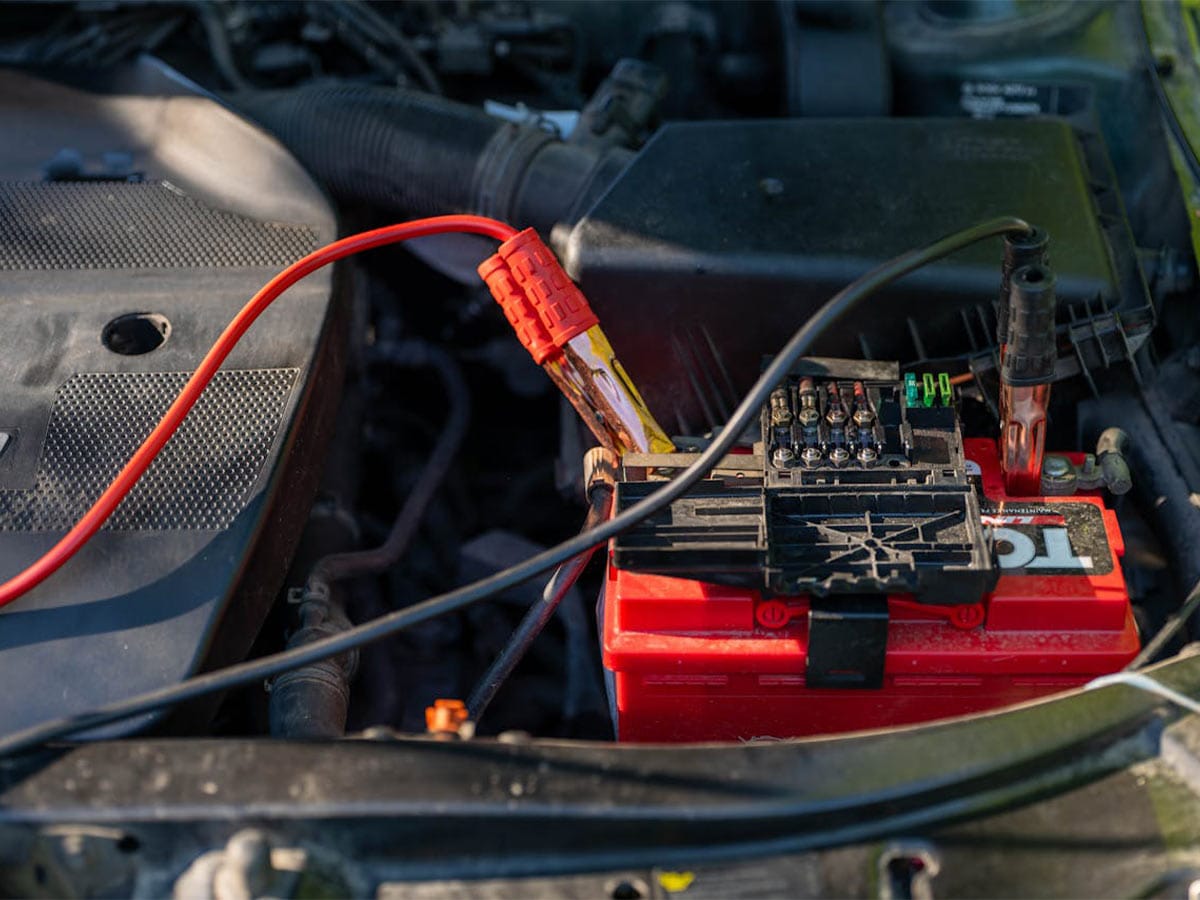
- Don’t ignore warning signs: If your battery has frequently required jump-starting, discover the cause of the problem, not the auto lights.
9. The Bottom Line
Does leaving car lights on auto drain battery? The evidence is overwhelming that properly functioning auto headlight systems are not responsible for problematic battery drain. The short light time is built into the electrical systems of modern vehicles and has no harmful effect on the health of the battery.
I continue to recommend auto headlights for both the safety and convenience benefits. They’re one of those automotive features that really do work as advertised – provide some benefit, with no drawback, when working correctly.
If you’re having problems with your battery at that point, at auto lights on, most likely the issue is somewhere else in your electrical system instead of the auto light feature itself. A proper diagnosis from a qualified technician can help to identify the real culprit and put your mind at ease for using this useful technology again. Remember, modern automotive engineering has eliminated the problems with battery drain that could have plagued older vehicles. Today’s auto light systems are a mature technology upon which millions of drivers depend every day, without a hitch.