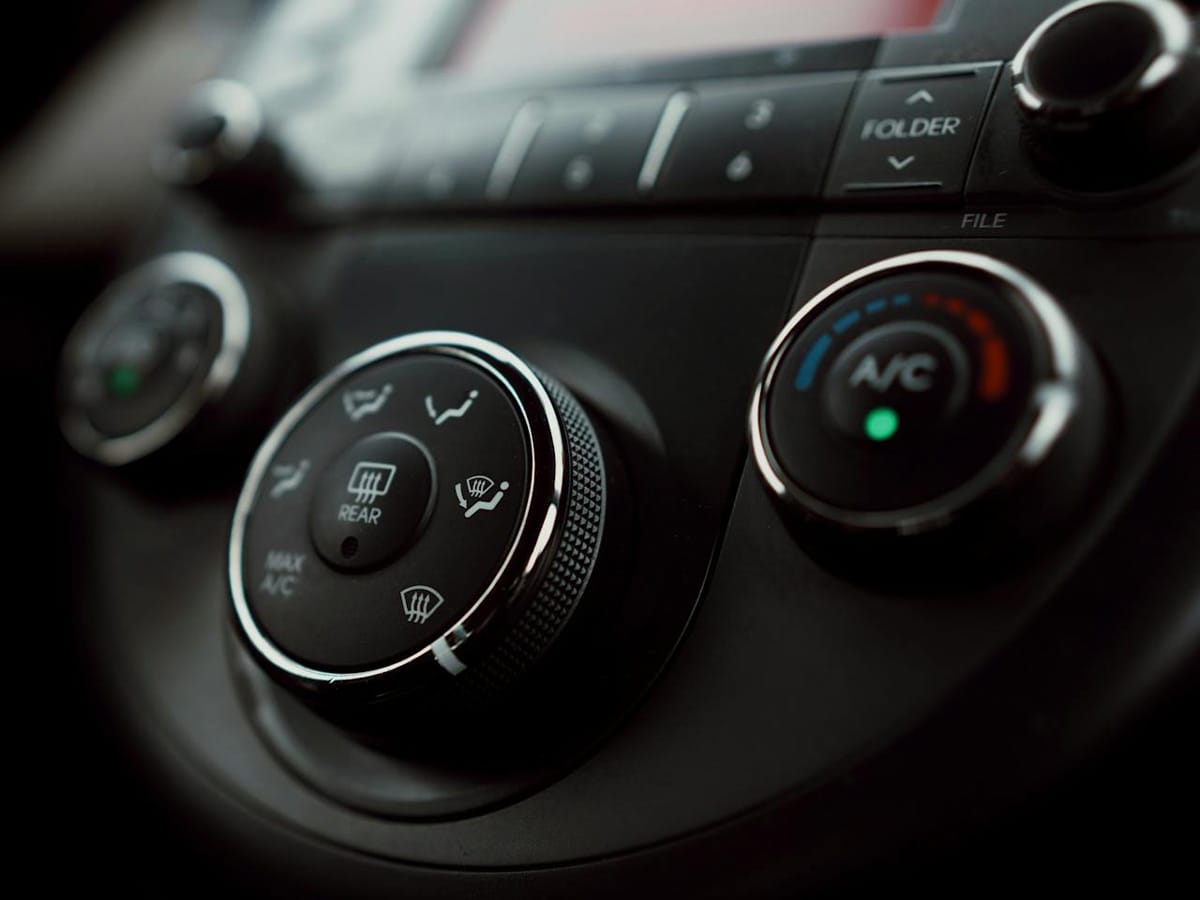
When I first began to get really hot summer drives without any relief from my car’s failing a/c, I knew I needed a solution that wouldn’t require any major mechanical work. That’s when I discovered the revolutionary world of electric AC for car systems; it completely changed my driving experience. Whether you’re looking for a classic car without factory air conditioning, supplemental cooling in extreme heat, or an energy-efficient electric AC for cars alternative to traditional air conditioning systems, electric air conditioning is a compelling solution.
1. Understanding Electric AC Systems for Cars
Electric AC system for cars are a vast improvement for cooling systems in cars. Unlike traditional systems, which use engine-driven compressors, an electric AC compressor for car is an independent system that uses the power of electrical energy from your car’s battery or an external power source.
The basic principle behind these systems is similar to traditional refrigeration cycles, only with increased efficiency and versatility. An electric AC system for car often contains an electric compressor, condenser, evaporator, expansion valve, and controls. The electric AC compressor for cars is the heart of the system and is responsible for circulating the refrigerant and generating the pressure differentials that are needed to make the cooling take place.
What’s unique about electric systems is how they can be system operated without the engine running, which is the ability to cool down when parking or camping in a situation where traditional AC wouldn’t be possible. This independence makes them especially valuable for ac for electric cars, where energy efficiency is of the utmost importance, and for classic car enthusiasts who wish to have all the conveniences of modern life without compromising the authenticity of their electric ac for classic car.
2. Benefits of Electric Air Conditioning for Cars
The benefits of electric AC for car systems go far beyond mere cooling, however. AC for electric cars has a higher energy efficiency than traditional belt-driven compressors. Electric compressors can be tuned with very fine control, with output to meet actual cooling demands instead of running at fixed engine speeds.
In my experience testing systems of all types, the flexibility of electric compressors is incredible. They can be variable speed controlled for accurate temperature control and low noise levels. This is especially good for long drives where a constant level of comfort is a necessity.
Apart from that, electric systems also offer better vehicle performance. On conventional vehicles, this means that you can save fuel, and on electric cars, you can go further because the parasitic load on the engine is removed. The compressor is decoupled so that cooling does not affect the acceleration and efficiency of your engine.
For electric vehicle owners, the efficiency increases are even greater. Electric vehicles equipped with heat pump technology can recover 3-15% of the range lost in cold weather, and the efficiency of the modern electric AC system for cars is 2-3 times higher than that of traditional heating.
3. Types of Electric AC Units for Vehicles
3.1 Portable Electric AC Units
Portable electric AC for car units provides ultimate flexibility and convenience. These self-contained systems usually plug into your vehicle’s 12V power outlet and are able to provide instant cooling comfort. EcoFlow WAVE 2 produces up to 5,100 BTUs of cooling power and uses 286-536 watts based on the mode selected.
The beauty of portable units is that they can be used for a variety of purposes. You can move them easily from vehicle to vehicle, use them while camping, or even bring them indoors when necessary. Most good-quality portable machines also have multiple fan speeds, timer functions, and remote controls for easy operation.
3.2 12V Electric AC Systems
12V electric AC for car power for most vehicles is the most common and practical solution. These systems will generally draw between 25-45 amps at 12 volts and thus are capable of working within standard automotive electrical systems.
From testing various 12V units, I’ve found that the total cooling capacity such units offer is between 2,500-8,750 BTUs, which is enough for most passenger vehicles. The most important thing is to match the power requirements of the system to the power output of your vehicle’s alternator to ensure reliable operation.
Modern 12V systems often have some sophisticated controls and may be able to operate in several modes. Eco mode usually uses about 364-523 watts, and maximum cooling modes use up to 726 watts. This is a variable consumption that lets you balance the cooling performance with the power consumption based on your needs.
3.3 Universal Electric AC Kits
Universal electric AC for car systems offers complete solutions that can be suited to almost any vehicle. These kits usually contain all the components needed to install the system: compressor, condenser, evaporator, refrigerant lines, and mounting hardware.
The best thing about universal kits is that they are adaptable. Whether you are retrofitting a classic car or supplementing the cooling system of a modern car, these systems can be set to meet specific requirements. Professional installation is usually advised to make sure that the refrigerant is handled and the system is integrated properly.
4. Installation and Setup for Your Electric AC
4.1 Professional vs. DIY Electric AC Installation
Installing an electric AC kit for car can be a simple plug-and-play solution to complex custom installations. Portable units are low-maintenance – usually just plugging into power and placing them in an area of maximum airflow.
For permanent installations, the complexity increases greatly. An electric compressor for car AC systems requires the proper ones to be connected to the refrigerant lines, as well as the electrical wiring and mounting. While mechanically-inclined people can do basic installations, professional installation guarantees proper handling of the refrigerant and optimization of the system.
From my experience, for anything other than portable units, I recommend professional installation. The investment in proper installation pays dividends in the performance, reliability, and warranty coverage of the system.
4.2 Electrical Requirements for Electric AC
Understanding the Power Requirements is very important for successful electric AC for car operation. A typical electric AC compressor for car requires a lot of electrical capacity. For instance, a 2,000-watt compressor (about 6,800 BTU/hour) will take about 45 amps at 12 volts.
The alternator capacity of your vehicle becomes critical. Most passenger cars have alternators between 70-100 amps, which is sufficient to cope with a small electric AC load if there is not any other major electrical load. However, larger vehicles or those with a great many electrical accessories may require alternator upgrades.
Battery capacity is also very important, particularly in camping or long-term parking. A quality deep-cycle battery or battery bank can provide reliable operation when the engine’s not running.
4.3 Mounting and Positioning Your Electric AC Unit
Proper positioning makes a big difference to the performance of the system. An electric AC unit for car should be placed such that the air flow distribution is as good as possible and the installation is as simple as possible. Underdash mounting is popular for retrofit applications, while rooftop installations are fine for RVs and larger vehicles.
Consideration of ventilation needs must be made when installation is planned. The system requires sufficient air intake and exhaust pathways in order to function effectively. Poor ventilation can decrease the cooling capacity and increase power consumption.
5. Performance and Efficiency of Electric AC
5.1 Cooling Capacity of Electric AC
Electric AC for car systems is capable of amazing cooling performance when properly sized. Quality electric AC compressor for car systems can provide temperature differentials of 20 degrees Fahrenheit or more, which is comparable to factory-installed systems.
Real-world testing has shown that a properly sized system can cool a vehicle interior from more than 110 degrees Fahrenheit to a comfortable 75 degrees Fahrenheit in 20-25 minutes. This performance compares with traditional systems and has better control and efficiency.
The key is matching the cooling capacity to the size of your vehicle and the insulation properties of your vehicle. A power unit with a capacity of 5000-8000 BTU is sufficient for most passenger cars; larger vehicles may need 10,000+ BTU power.
5.2 Energy Consumption of Electric AC
Modern electric systems are energy efficient. Variable-speed compressors adjust output according to demand, therefore only using the power needed to meet desired temperatures. This intelligent operation can save 30-50% power consumption compared to the fixed-speed systems.
Heat pump technologies add further boosts of efficiency. Systems like the EcoFlow WAVE 2 can be used to both cool and heat, and extend utility beyond the summer months while retaining great efficiency ratings.
5.3 Noise Levels of Electric AC
The electric compressors are generally quieter than the traditional system that uses a belt. Advanced models have brushless motors and soft-start technology to keep noise and vibration to a minimum. This makes them ideal for camping applications or situations where noise is a concern.
6. Maintenance and Care for Electric AC in Cars
6.1 Regular Maintenance Tasks for Electric AC
Maintaining your electric AC system for car, you can be assured of long-term reliability and performance. Regular jobs are cleaning or replacing air filters every two weeks to two months, depending on the conditions of use.
Condenser and evaporator cleaning are essential to keeping heat transfer efficiency at a high level. Dust and debris buildup can dramatically decrease cooling capacity and power usage.
6.2 Solving Common Electric AC Problems
Common problems with electric AC for car systems are often related to power supply, refrigerant levels, or wear and tear of components. Too little cooling can be a sign of low refrigerant, dirty parts, or insufficient power supply.
Unusual noises can be a good indication of component wear, loose connections, or refrigerant problems. Dealing with these as soon as possible helps avoid minor issues from becoming major repairs.
6.3 Professional Service for Electric AC
While basic maintenance can be done by owners, refrigerant-related service is a task for the professionals. Electric compressors use special oils and have special evacuation and charging procedures.
Annual professional inspection provides optimal performance and identifies possible problems prior to system failure.
7. Cost Considerations for Electric AC for Cars
7.1 Initial Investment for Electric AC
Car electric AC widely varies depending on the type and complexity of the system. Portable units can cost anywhere from $400-600 for a decent quality model such as the EcoFlow WAVE 2. Basic 12V retrofit kit systems start at $800-1,500, and complete universal systems can cost $2,000-4,000, installed.
This investment is often recouped in a short time in terms of comfort, usability of the vehicle, and, in the case of conventional vehicles, fuel savings.
7.2 Operating Costs of Electric AC in Cars
Operating costs are based on use patterns and electricity rates. An average 500-watt system running 8 hours a day would use about 4 kWh, which at the average electricity rates would cost about $0.50-1.00 per day.
Camping applications should look at the cost of batteries and charging infrastructure. You may pay more for the upfront investment in quality deep-cycle batteries and solar panels, but these systems can ensure independence in the long run.
7.3 Long-term Value of Electric AC
Better electric AC for car systems are reliable, efficient, and versatile for a long time. Unlike systems that need to be attached to individual vehicles, portable units can be transferred between vehicles and can be used for a variety of applications.
8. Popular Models and Electric AC for Car Reviews
8.1 Top-Rated Electric AC Systems
The EcoFlow WAVE 2 is consistently the best in portable applications, with power outputs of 5,100 BTU, dual heating/cooling ability, and outstanding efficiency. Users say it has great cooling performance and quiet operation.
For fixed installations, there are brands such as Guchen and Universal Electric that provide complete systems that have proven reliability. This means that they will be powerful systems for permanent installations.
8.2 User Experiences with Electric AC
Time and time again, electric AC for car systems has been praised for its life-changing effects. Many users report that the systems perform very well even in extreme hot weather when conventional AC fails.
Camping enthusiasts especially like the independence that electric systems offer. Having comfortable temperatures without powering the engine or generator goes a long way to improving the experience outside.
8.3 Best Value Electric AC Options
Electric AC for a car under $450 is available for money-conscious buyers, but in terms of performance, it may not be as efficient. Chinese-manufactured 12V units on Alibaba will cost roughly $170-250, with the possibility of needing DIY installation and minimal warranty support.
Even readily available portable units in the $400-600 range offer increased reliability and support and are worth the investment for most users.
9. Making the Right Choice of Electric AC System
9.1 Assessing Your Electric AC Needs
Choosing the best electric AC for car can be a complex process that requires careful consideration of your specific needs. The best choice depends on the size of the vehicle, the normal usage cycle, and the power available.
Portable units are most flexible if they’re used intermittently or on more than one vehicle. For daily drivers or dedicated camping vehicles, permanent integrations offer better integration and performance.
9.2 Power Requirements for Electric AC
This is dependent on your vehicle’s electrical capacity. Large electric AC for car systems should only be used with vehicles that have beefy alternators (100+ amps) and good batteries. Smaller or older vehicles may only be able to use a more modest system.
Elerical additions should be taken into consideration when sizing systems. The use of winches, lighting, or other accessories can affect the power available for AC operation.
9.3 Installation Complexity of Electric AC
Installation choices are based on an honest self-assessment of your technical abilities. While portable units need little setup, permanent installations involve managing refrigerant, electrical work, and mechanical mounting that might be beyond DIY skills.
Professional installation guarantees correct system functioning and protects the warranty, so it is a sound investment for complicated systems.
10. Next Generation of Electric AC Technology
10.1 Emerging Electric AC Technologies
The technology of electric AC for cars is evolving very rapidly. New refrigerants, better compressor designs, and controls hold the promise of even higher efficiency and performance.
Heat pump integration is becoming more advanced, and some systems are reaching levels of heating efficiency that weren’t previously possible using traditional heating methods.
10.2 Integration with Electric Vehicles
As the number of electric vehicles increases, AC systems are getting more and more advanced. Advanced thermal management systems ensure optimal cabin comfort with the highest driving range.
Integration with vehicle management systems enables predictive cooling, pre-conditioning, and intelligent power management that we’ve never seen before in traditional systems.
In the future, we will see even more efficient, quieter, and capable electric AC for car systems that will render belt-driven systems obsolete in many applications.
11. Conclusion
Electric AC for car Power is a revolutionary technology for automotive comfort. Whether you opt for a portable electric AC for car, a 12v electric automotive air conditioning kit, or a comprehensive universal electric AC for classic cars, these units promise unparalleled flexibility, efficiency, and performance.
From my years of experience testing and using different kinds of electric AC for car systems, I can say with confidence that they do as they say, providing excellent cooling, energy efficiency, and flexibility in use. The initial investment pays dividends rapidly with enhanced comfort, increased usability of vehicles, and reliable vehicles for years to come.
As technology improves and the costs come down, electric AC for cars will become more accessible to all vehicle owners. Whether you’re driving a cutting-edge electric vehicle, restoring a classic car, or fitting out a recreational vehicle, electric AC for car technology provides solutions that traditional systems simply can’t match.
The transition to electric AC for cars is not just a technological upgrade – it’s a fundamental shift towards more efficient, flexible, and user-friendly automotive comfort systems that improve the driving experience while being respectful of environmental concerns and energy efficiency requirements.