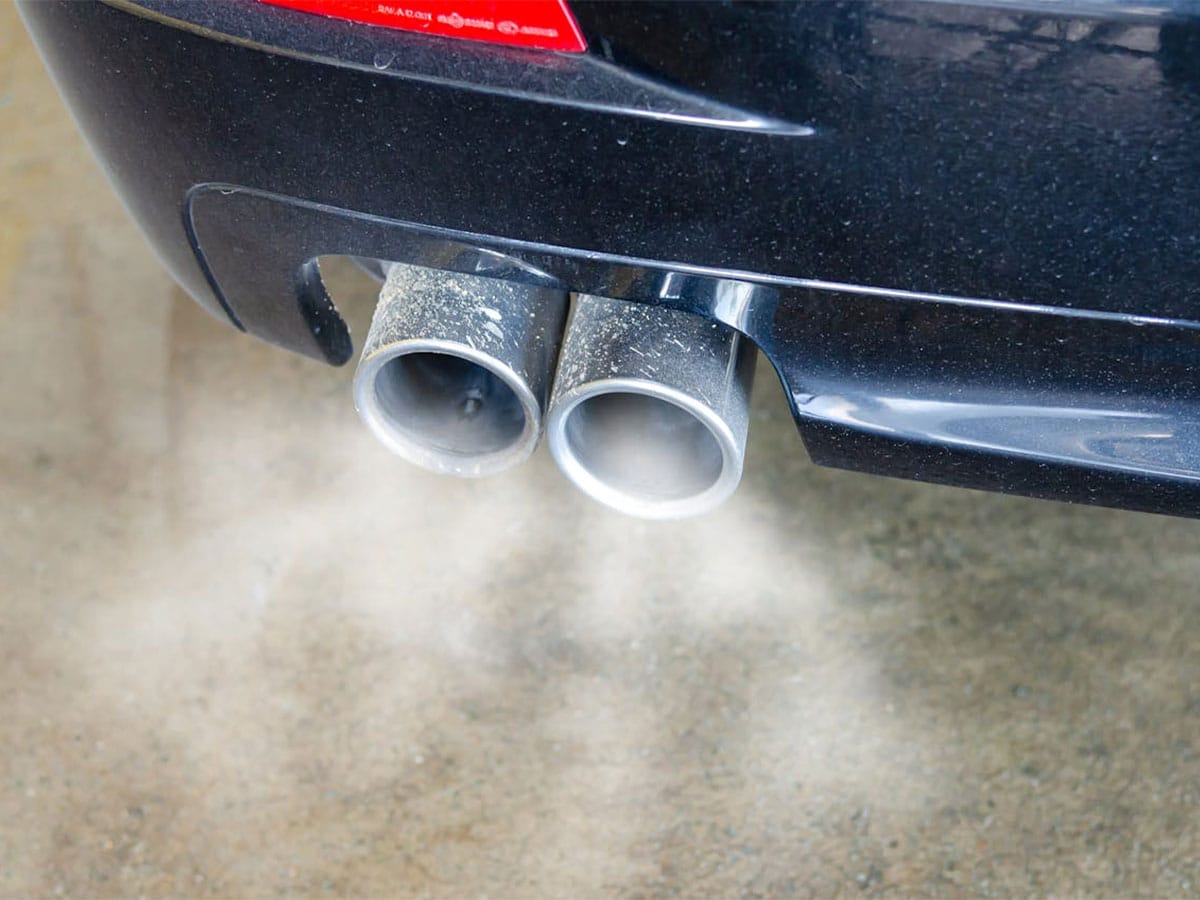
When you get into your car and smell fuel inside the car, it’s not just an unpleasant experience – it’s actually a warning sign that should be dealt with straight away. Whether you’re experiencing a whiff of gasoline or a strong, overpowering smell that makes you feel nauseous, knowing the causes of the odor and taking quick action can save you from potentially dangerous situations and expensive repairs.
1. Understanding Fuel Odor in Your Vehicle
Fuel smell in your car is when the gasoline vapors start to escape from your car‘s fuel system and enter the cabin, or start to build up around your car. Newer cars have sealed fuel systems that are not supposed to allow any gas odor to reach the passenger compartment. If you smell gas, it means that somewhere in this enclosed system, there is a leak that is allowing fuel vapors to escape.
Your car‘s fuel system is comprised of numerous parts that function together: the fuel tank, the fuel lines, the fuel injectors, the fuel pressure regulator, the gas cap, and the evaporative emissions control (EVAP) system. Each of these elements is an important part of ensuring that your fuel containment is correct and that vapor leaks do not occur.
2. Primary Causes of Fuel Odor Inside Cars
2.1 Loose or Damaged Gas Cap
The most common and easily repairable problem of fuel smell in the car is a loose, broken, or absent gas cap. Your gas cap is the main seal for your fuel tank and keeps the vapors from escaping. Since the cap has to be tightened to several clicks before you hear the sealing sound, huge amounts of fuel vapors may escape from the cap if it is not tight enough.
A damaged gas cap with cracked rubber seals or worn gaskets can no longer be an airtight seal. According to the Department of Transportation, a loose gas cap can cost you the equivalent of 30 gallons of gasoline per year. Some of the symptoms of a gas cap problem are a strong smell of gasoline after refueling, the check engine light illuminating, and decreased fuel economy.
2.2 Fuel System Leaks
More serious causes are actual fuel leaks in different parts of the fuel system. Fuel leaks can occur in:
- Fuel Tank: Over time, liquid fuel can leak out of the tank due to corrosion or physical damage, forming holes or cracks in the tank. Even smaller leaks will cause strong gasoline scents.
- Fuel Lines: The rubber fuel lines that run from the tank to the engine can degrade over time due to heat exposure, road debris, etc. These lines can crack or get damaged, providing a way for fuel vapors to escape.
- Fuel Injectors: Malfunctioning or improperly sealed fuel injectors can cause gasoline to leak into the engine compartment, creating an odor and fire hazard. It is of great concern, as leaking injectors affect the engine’s performance as well as cause serious safety hazards.
2.3 EVAP System Malfunctions
The evaporative emissions control (EVAP) system traps fuel vapors out of the gas tank and stores them in a charcoal-filled canister until they can be combusted by the engine. When this system malfunctions, it can result in an obvious fuel smell in your car.
Problems associated with EVAP systems are commonly:
- Charcoal Canister Problems: The canister may become clogged, cracked, or saturated, hindering proper vapor capture.
- Purge Valve Failures: A stuck purge valve may let excess fuel vapors enter the engine or fail to circulate the vapors
- Vent Valve Problems: Vent valves that are blocked or malfunctioning can lead to pressure buildup and vapor escaping
- Hose and Seal Deterioration: Vacuum lines and seals in the EVAP system can be prone to cracking or disconnecting over time
2.4 Failing Pressure Regulator Problems
A faulty fuel pressure regulator can cause the engine to get too much fuel, resulting in a rich fuel mixture. When the pressure regulator is bad, it can cause fuel leaks and powerful gasoline smells around the vehicle. This problem often shows itself in the black smoke in the exhaust, poor mileage, and the smell of gas in and around the vehicle.
3. Why Do I Smell Gas When the AC Is On?
Many drivers are curious about why I smell gas in my car when the AC is on. Such a situation can arise for a number of reasons:
3.1 Exhaust System Issues
An air conditioner’s intake line can draw exhaust fumes into the car‘s cabin if there are leaks or cracks in your exhaust system and unburned gasoline is flowing into the exhaust line. This is especially the case when the AC system is configured to pull outside air instead of recirculating air inside the building.
3.2 Rich Fuel Mixture Problems
When your engine is operating rich due to faulty sensors or fuel system issues, unburnt gasoline in the exhaust will create fumes that will enter through the ventilation system. With too much fuel, the catalytic converter can become overwhelmed, which results in the gasoline vapors passing through the exhaust system.
3.3 External Contamination
Sometimes, nearby gasoline smells from sources like gas stations, other vehicles, or spilled fuel can be pulled inside your car via the HVAC system. While rarer, this external contamination can produce temporary gasoline odours when you are using the air conditioner.
3.4 Health Risks & Safety Dangers
Smelling gasoline in a car is dangerous because the vapors are dangerous to human health, as well as a fire risk. Knowing these dangers is important when making sound decisions about driving while having fuel odors present.
3.5 Immediate Health Effects
Exposure to gasoline vapors may cause:
- Headaches and dizziness
- Nausea and vomiting
- Eye and throat irritation
- Breathing difficulties
- Fatigue and drowsiness
- Skin blistering or irritation if it comes in contact with the skin
Short-term exposure usually causes discomfort, but long-term inhalation can result in other health problems. The enclosed area of the car interior allows the vapours to be concentrated, making the effects more significant.
3.6 Fire and Explosion Risks
Gasoline vapors are very flammable and can be ignited by any of the following:
- Engine heat
- Electrical sparks
- Static electricity
- Hot exhaust components
- Cigarette, or other ignition source
The concentration of vapor inside an automobile can easily reach toxic levels, which could cause a fire or an explosion. This is especially true in confined areas such as garages.
3.7 Long-Term Health Effects
Long-term exposure to gasoline fumes can lead to:
- Injury to the central nervous system
- Respiratory problems
- Organ damage
- Carbon monoxide (smoke poisoning: incomplete combustion)
4. Should I Drive If My Car Smells Like Gas Inside?
Should I drive my car if it smells like gas inside it? The answer is usually no, it is unsafe to drive with a distinct gasoline smell. However, the amount of hazard varies according to the intensity and origin of the odor.
4.1 When to Stop Driving Immediately?
Pull off the road and shut off the engine if you have:
- Strong, overwhelming gasoline smell
- Visible puddles of fuel under the car
- dizziness or nausea
- Any leaking of fuel that is visible in the engine bay
4.2 Temporary Driving Precautions
If the smell is weak and you have to drive to get help:
- Open all the windows for maximum ventilation
- Switch off the air conditioning or put the air conditioning on fresh air mode
- Not smoking or using any ignition sources
- Drive straight to a repair facility
- Keep the drive as short as possible
5. How to Fix Gas Smell in Car
How to fix the gas smell in a car depends on identifying and fixing the root cause. Here are the steps you can take to fix fuel odor problems:
5.1 Immediate Steps
- Check the Gas Cap: Make sure it’s tight (listen for clicks) and look for cracks or damage.
- Ventilate the Vehicle: Open all windows and doors to allow the fresh air to move.
- Look for visible leaks. Check for wet spots or puddles of fuel under the car and around the engine bay.
5.2 Professional Diagnosis
For odours that will not go away, professional diagnosis might include:
- OBD-II code reading to find EVAP system faults
- Smoke testing that detects small fuel system leaks
- Pressure testing fuel lines and parts
- Visual inspection of all the fuel system components
5.3 Common Repairs
Based on the diagnosis, treatment may include:
- Gas cap replacement ($10-$30)
- Fuel line repair or replacement ($100 to $400)
- Replacement of a component in the EVAP system ($150-$800)
- Fuel injector repair ($200-$600)
- Fuel pressure regulator replacement ($250 – $400)
6. How to Eliminate Gasoline Smell from the Car Interior
In case gasoline has spilled inside your car, fuel smell removal in a car is a detailed process:
6.1 Step-by-Step Cleaning Process
- Remove contaminated objects: Remove floor mats, seat covers, or any other objects that have soaked up gasoline.
- Blot, Don’t Rub: Use paper towels to soak up liquid fuel–never rub, because that spreads the contamination.
- Apply Baking Soda: Generously sprinkle it on afflicted areas and leave it for a few hours or overnight. Baking soda is a natural odor absorber that is safe and natural.
- Vinegar Solution: Mix an equal part of white vinegar and water solution to neutralize lingering odors.
- Vacuum properly: Suck out all of the baking soda and debris using a powerful vacuum.
- Place Activated Charcoal: Activated charcoal containers can be placed in the car to continue absorbing lingering odors.
6.2 Professional Cleaning Options
Professional detailing services can also provide:
- Steam cleaning of gasoline compounds
- Ozone treatment for the removal of tenacious odours
- Thorough Interior Sanitation.
7. Helpful Preventive and Maintenance Tips
To reduce the fuel odor problems that can occur in a car, you need to maintain your car regularly and be aware of the following:
7.1 Regular Inspections
- Monitor the gas cap seal condition every month.
- Check fuel lines for cracks or damage when changing oil
- Check for any out-of-the-ordinary scents while driving periodically.
- Fix the check engine lights as soon as possible.
7.2 Proper Fueling Practices
- Always screw the gas cap down until clicks are heard.
- Avoid overfilling the tank
- Clean up any spills as soon as possible
- Replace broken gas caps as soon as possible
7.3 System Maintenance
- Replace the charcoal canister when it is necessary to do so (usually 60,000-100,000 miles)
- Have the components of the EVAP system checked when scheduled maintenance is performed.
- When working on fuel system issues, it is important to tackle them before they become serious problems.
8. When Fuel Odor Becomes an Emergency
There are certain situations that will require the immediate attention of a professional:
- Any size leak of fuel that you can see
- Odors that won’t clear up with ventilation
- Dizziness or nausea caused by vapor inhalation
- Check engine lights combined with the smell of fuel
- Failing emissions test because of an issue with the EVAP system
9. Frequently Asked Questions (FAQs)
9.1 Why Does My Car Smell of Fuel Inside?
Your car smells like fuel inside because there are leaks of fuel vapors in the fuel system – the most common of which are a loose or broken gas cap, fuel line leaks, and problems with the EVAP system. The fuel system is a closed system that does not allow any gasoline vapors to escape into the cabin, and any gasoline smell is an indication of a leak somewhere in this system.
9.2 How to Get Rid of Fuel Smell in a Car?
The key to getting rid of fuel odor is to locate and repair the fuel leak. For odors emanating from spills inside, ventilate the car properly, use baking soda to absorb odors, wash with a vinegar solution, and use activated charcoal containers. Professional steam cleaning can be required for severe contamination.
9.3 Should I Drive My Car If It Smells Like Gas Inside?
Generally not – gasoline odors are a fire and health hazard when driving because of the vapor danger of inhalation. If you are compelled to drive, open windows, be away from ignition sources, and proceed to a repair facility as directly as possible.
9.4 How Long Does It Take for Gasoline Smell to Go Away in a Car?
For spills, gasoline odor will usually go away in a few days to a week if the area is well ventilated and cleaned up properly. However, after this period ends, if the odor remains, it is probable that you have a constant leak in the fuel system that needs to be repaired and not just time for it to evaporate.
9.5 What Makes the Smell of Gasoline Go Away?
Ventilation, proper cleaning, and time remove gasoline odors. Oil evaporates on its own, but with the help of baking soda, activated charcoal, vinegar solutions, and ventilation, you can remove odors faster. Recurring odors indicate a fuel system problem that needs to be repaired.
9.6 What to Do After Smelling Gasoline?
If you smell gas in your car, immediately inspect your gas cap, ventilate the car (open the windows), inspect for obvious leaks, and don’t attempt to light anything on fire. If the odor is strong or persistent, pull off the road and have the vapor leak repaired by having the fuel system checked out for a leaking fuel system. Being aware of fuel odor inside the car gives you the ability to take the proper action when something smells off, and it could be a life-threatening situation. Whether it is simple gas cap issues or complex EVAP system failures, addressing fuel smells quickly helps to keep you healthy and safe while also helping to prevent expensive damage to your vehicle’s fuel system.