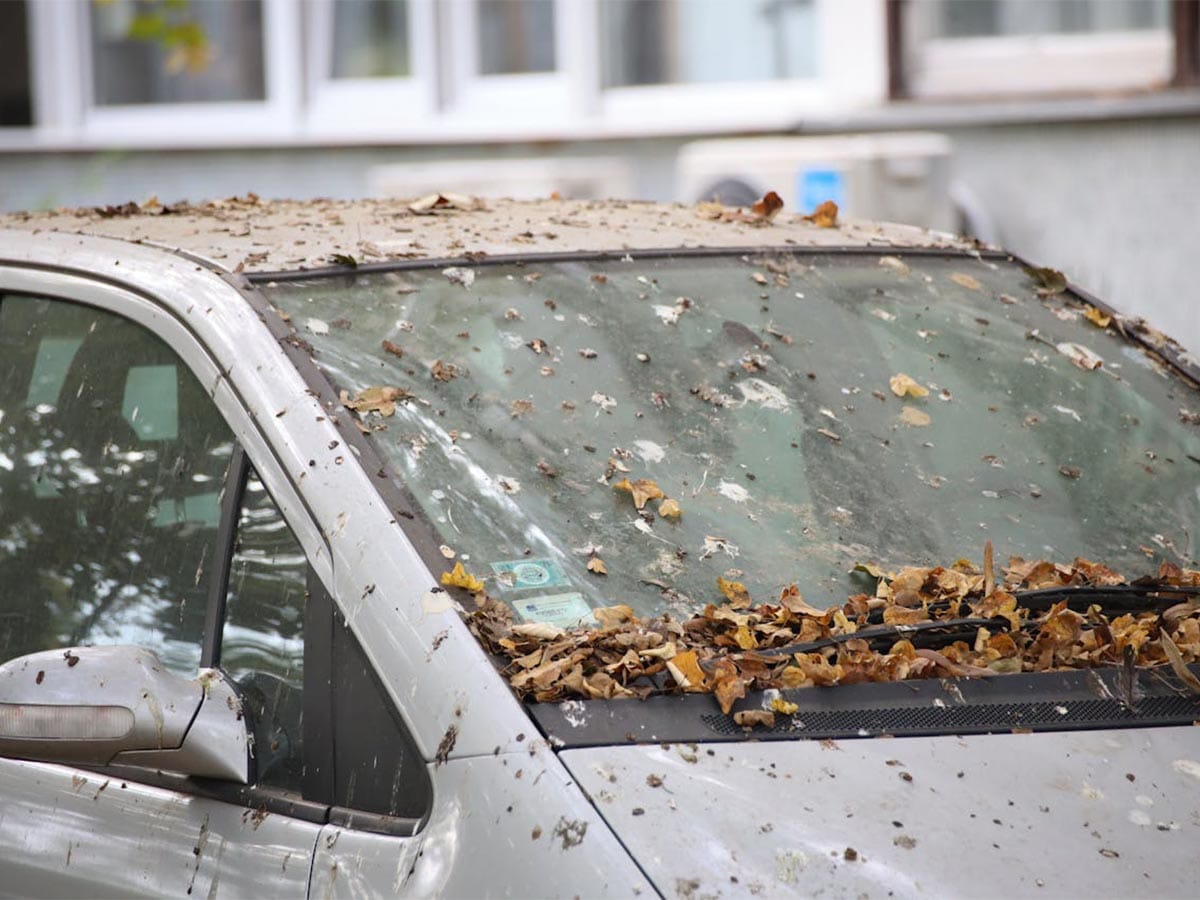
Parking under trees can offer welcome shade for your vehicle, but it usually comes with an unwelcome companion: tree pitch and sap coating your car’s surface. This sticky, resinous substance can cause permanent damage to your car’s paint if not removed in time and properly. As both a seasoned auto mechanic and car care enthusiast, I’ve experienced numerous cases of pitch removal, and I wanted to share with you the best pitch removal methods that are safe to use and will give your vehicle a good finish. This guide will show you exactly how to remove pitch from your car safely.
1. Understanding Tree Pitch and How it Can Affect Your Car
Tree pitch is more commonly known as tree sap and is a natural resin produced by trees to protect themselves from insect and bacterial infections. When this substance lands on your car, it doesn’t just sit on top – it starts bonding with your car paint’s clear coat, particularly when it’s exposed to heat and UV rays.
The chemistry behind the damage is fairly simple: Fresh sap is not that difficult to remove, but when it hardens and oxidizes, it becomes a thick, glue-like resin that can eat away at your clear coat. The sun’s UV rays speed up this bonding process and literally bake your sap into your paint. Left untreated, pitch can cause permanent staining, discoloration, and even necessitate costly paint correction/panel repainting.
Different trees make different types of sap with different consistencies.
- Pine trees are known for producing especially sticky, copious amounts of sap.
- Maple, elm, and birch trees are also common culprits
Understanding what type of tree you’re dealing with can help you determine the best way to remove it, which is key to knowing how to remove pine pitch from your car effectively.
2. Tools and Materials Needed to Securely Remove Pitch
Before trying to get the pitch out of your car, you should have the following supplies:
2.1 Primary Cleaning Agents
- Isopropyl alcohol (70% or more concentrated)
- Any type of penetrating lubricant, like WD-40
- Car sap remover (Goo Gone Automotive, Stoner Tarminator, Turtle Wax Bug & Tar Remover)
- Dawn dish soap to clean initially
- white vinegar for cleaning glass
2.2 Application Tools
- Clean microfiber cloths
- Cotton balls or pieces of soft cotton rags
- Plastic Putty knife or Ice Scraper for Hardened Deposits
- Clay bar and heavy-duty lubricant for tough stains.
2.3 Safety, Finishing Supplies
- Automotive car wash soap
- Car wax or car sealant (all-weather protection)
- Protective gloves
- A bucket of warm, soapy water
3. Easy Methods for How to Remove Pitch from Car Paint
3.1 Method 1: The Gentle Method to Fresh Sap
When using a new pitch that has not been fully cured, start with the mildest treatment method.
- Step 1: Initial Assessment, Preparation
Park the car in a shady area and allow it to cool to room temperature. Cleaning solutions will evaporate too quickly from the hot paint, making them less effective. Wash the damaged area thoroughly: Thoroughly wash the affected area with car wash soap to remove any dirt and debris that may cause scratches to the paint while being removed. - Step 2: Warm Water Treatment
For very fresh sap, we have also found warm (not hot) soapy water is a good start. Mix a few drops of Dawn dish soap in warm water and dip a soft cloth in the mixture. Cover the sap with the cloth for 5-10 minutes to soften the sap. Massage your area in small circles. This method works best in the first few hours of contact with sap.
3.2 Method 2: Isopropyl Alcohol Method
This is usually the best place to start with how to remove tree pitch from car paint safely.
- Step 1: Application
Saturate a microfiber cloth with isopropyl alcohol – don’t spray directly onto the paint as this wastes product and can affect surrounding areas. For difficult stains, dip a cotton ball in alcohol. - Step 2: Contact Time
Run the alcohol soaked cloth over the sap and leave for 2-3 minutes. This lets the alcohol get into and destroy the molecular structure of the sap. For especially stubborn deposits, leave the contacts for 5 minutes. - Step 3: Gentle Removal
Working by light pressure and in small circular motions, work the sap. The sap should start to dissolve and float off the paint. Don’t scrub too hard – if you scrub too hard, micro-scratches can get created. - Step 4: Clean and Inspect
Use a clean, wet microfibre cloth to wipe away the residue and check the area. Repeat as needed, but know that existing wax will be stripped by alcohol, so that’s why you’ll need to reapply protection after that.
3.3 Method 3: Stubborn Hardened Pitch Lubricated by WD-40
When you have to tackle older, hardened tree sap from a car that won’t go away with alcohol treatment, WD-40 will work wonders for how to remove pine pitch from a car.
- Step 1: Application
Spray a little bit of WD-40 directly onto the sap. Don’t oversaturate – a minor light coating will do the job. - Step 2: Penetration Time
Leave the WD-40 in for 5-15 minutes, depending on how hardened the sap is. For very stubborn deposits, you may have to wait as long as 20 minutes. - Step 3: Mechanical Removal
After the sap has softened, use a plastic putty knife or popsicle stick to gently scrape larger chunks. Wood implements work well also because they’re soft enough not to scratch paint but firm enough to remove hardened material. - Step 4: Final Cleaning
Use a microfiber cloth to remove any remaining excess. Follow up with a thorough wash with car soap to get rid of all the WD-40, and then polishing compound if necessary to correct any minor scratches.
3.4 Method 4: Sap Removers Available for Purchase
Professional-grade sap remover for cars provides ease and functionality with regard to how to get pine pitch off of car paint.
- Popular Options:
- Goo Gone Automotive: Citrus-based formula safe for clear coats
- Stoner Tarminator: High strength dissolving with no paint damage
- Turtle Wax Bug & Tar Remover: Dual-use cleaner
- Application Process:
Strictly follow the manufacturer’s instructions. In general, spray product on; wait 2-5 mins., then wipe clean with a microfiber cloth. Always patch test on an unnoticeable area first.
4. How to Remove Pitch from Car Windshield and Windows
Glass surfaces need slightly different techniques because it is capable of handling more aggressive cleaning methods.
4.1 Ice Method for Large Clumps
For large sap deposits on windshields, the ice method is very effective for how to remove pitch from a car window.
Place large cubes of ice in water for a short time to soften the edges, then hold them against the sap for a few minutes. The rapid cooling makes the sap brittle and easier to remove. Use a plastic ice scraper to gently scrape away the hardened sap. Never use metal tools that could scratch the glass.
4.2 Vinegar Solution for Glass
Spray equal parts white vinegar and water in a spray bottle. Apply to the sap and leave for 5-10 mins. The slight acidity is used to break up the sap without damaging glass or rubber seals. Wipe clean using a microfiber cloth and follow up with some glass cleaner.
4.3 Rubbing Alcohol for Glass
For glass-mounted sap, apply isopropyl alcohol directly and let it penetrate. Glass can take more severe concentrations than paint, so this method is especially helpful for how to get pitch off a car windshield.
5. New Techniques for Severely Contaminated Surfaces
5.1 Clay Bar – Stubborn Residues Removal
Where other methods leave sticky residue or rough patches, a clay bar treatment offers professional-level results when it comes to how to remove pine pitch from a car finish.
- Process:
- Thoroughly wash and dry the affected area.
- Liberally apply clay bar lubricant to the affected area.
- Roll out the clay bar so that it is flat and oval in shape.
- Rub the sap with a clay bar in straight strokes.
- Regularly remodel the clay and make the new surfaces clean.
- Rinse the clay off and check the results.
Clay bars are very good at removing ingrained contaminants that are not removable by conventional washing. They’re especially useful for how to get pine pitch off a car finish where the sap has already partially set into the clear coat.
5.2 Heat Treatment for Ultra-Hardened Sap.
Sometimes, heat will soften the hard deposits to allow easier removal.
Apply a low heat setting and hold the hair dryer 6-8 inches away from the surface. Heat the sap for 30-60 seconds, and then work right away with your cleaning solution of choice. Clear coat is affected by heat, so do not apply too much heat or get too close to the paint.
6. Industrial Tools and Gear
For individuals with a large amount of contamination to clean up or if you are operating a detailing business, professional equipment delivers better outcomes.
- Professional-Grade Products:
- Koch-Chemie Eulex intensive cleaning
- Chemical-Free Steam Cleaning Machines.
- Professional clay systems using special lubricants
Professional detailers often employ multi-step processes that use a combination of chemical treatment and mechanical removal, and paint correction. Although these methods produce better results, they need experience and proper equipment.
7. Prevention: How to Protect Your Car From Future Damage from Pitch
- Smart Parking Strategies:
Avoid parking under sap-producing trees whenever possible. If you must park in the shade of trees, know what kinds of trees are in the area and try to park where there is the least overhead tree cover. - Protective Coatings:
Regular waxing forms a barrier for the sap that makes it easier to remove. Modern ceramic coatings are even better in terms of protecting the paint from the sap sticking directly to it. Sealants have a longer lifespan than traditional wax and have better contaminant resistance. - Maintenance Schedule:
Weekly washing helps to eliminate the sap before it becomes hardened. The longer the sap is on your paint, the more difficult and potentially damaging it is to remove.
8. Common Mistakes to Avoid
- Never Use These Methods:
- Using metal tools that can scrape paint
- Using Household Cleaners that are not for Automotive Finishes
- Applying too much heat can cause clear coat damage
- Neglecting sap deposits in the hope that they’ll wash away naturally
- Application Errors:
- Using too much pressure to remove
- Failing to test products on obvious areas first,
- Failure to follow up with a protective wax following solvent application
- Working in the direct sunlight on hot surfaces
9. Frequently Asked Questions Regarding Pitch Removal
9.1 Does WD-40 Remove Sap from a Car?
Yes, WD-40 works well in removing the tree sap from the tree by breaking down the adhesive properties. However, always wash the area thoroughly afterwards so that all the lubricant residue is removed.
9.2 Will Vinegar Remove Tree Sap from Car Paint?
Vinegar can help with the removal of fresh sap, especially if it is mixed with warm water. However, it’s better on glass surfaces than paint. Paint can be more easily removed with isopropyl alcohol or commercial removers.
9.3 Does Dawn Dish Soap Remove Sap from Cars?
Dawn can remove fresh sap well because of its degreasing properties. It is especially helpful as a pre-treatment before using more powerful solvents. However, harder sap usually has to be treated with stronger solutions.
9.4 How Do You Safely Remove Pine Pitch from a Car?
Start with the isopropyl alcohol on a microfiber cloth and allow it to sit for a few minutes before gently working the area. For tough deposits, try using WD-40 or commercially available sap removers, and always test before using and follow up with intensive washing.
10. When to Seek Help from Your Professional
Consider the services of professional detailing when:
- Sap constitutes greater than 20% of a panel.
- Multiple attempts have been made by DIY, but have not worked.
- You see etching or discoloration of the paint underneath the sap
- Your car is painted in high-quality paint or ceramic paint
- You’re uneasy handling chemicals or tools,
Professional extraction will cost $50-150 based on the extent of contamination, which is much lower than the cost of repainting damaged panels.
11. Protecting Your Investment
Regular maintenance and timely sap removal ensure that your vehicle remains looking new and retains its resale value. When you know how to remove pitch from car surfaces safely, you can tackle contamination straight away, before it causes expensive damage.
Please keep in mind that prevention is the best policy. If you must park under sap-producing trees, make sure to do so sparingly and keep your coatings intact, and wash your vehicle often. When sap does happen, make sure to take quick action using the correct method for your situation.
From fresh pine pitch on your car hood to hardened sap on your windshield, these tried and true techniques will leave your vehicle’s finish as good as new without causing more harm. The secret is to pick the right method for your particular situation and always put paint safety over removal speed first.