To be honest with you, when I first caught that strong gas smell from exhaust, I knew something was really wrong with my car. After years of working on vehicles and discussing similar issues with lots of drivers, I can tell you that an exhaust that smells like gas is never normal and should never be ignored. This ultimate guide will take you through all that you need to know about this troubling issue, from its common causes to effective how to fix gas smell from exhaust solutions.
1. Why Does My Exhaust Smell Like Gas? Understanding the Problem
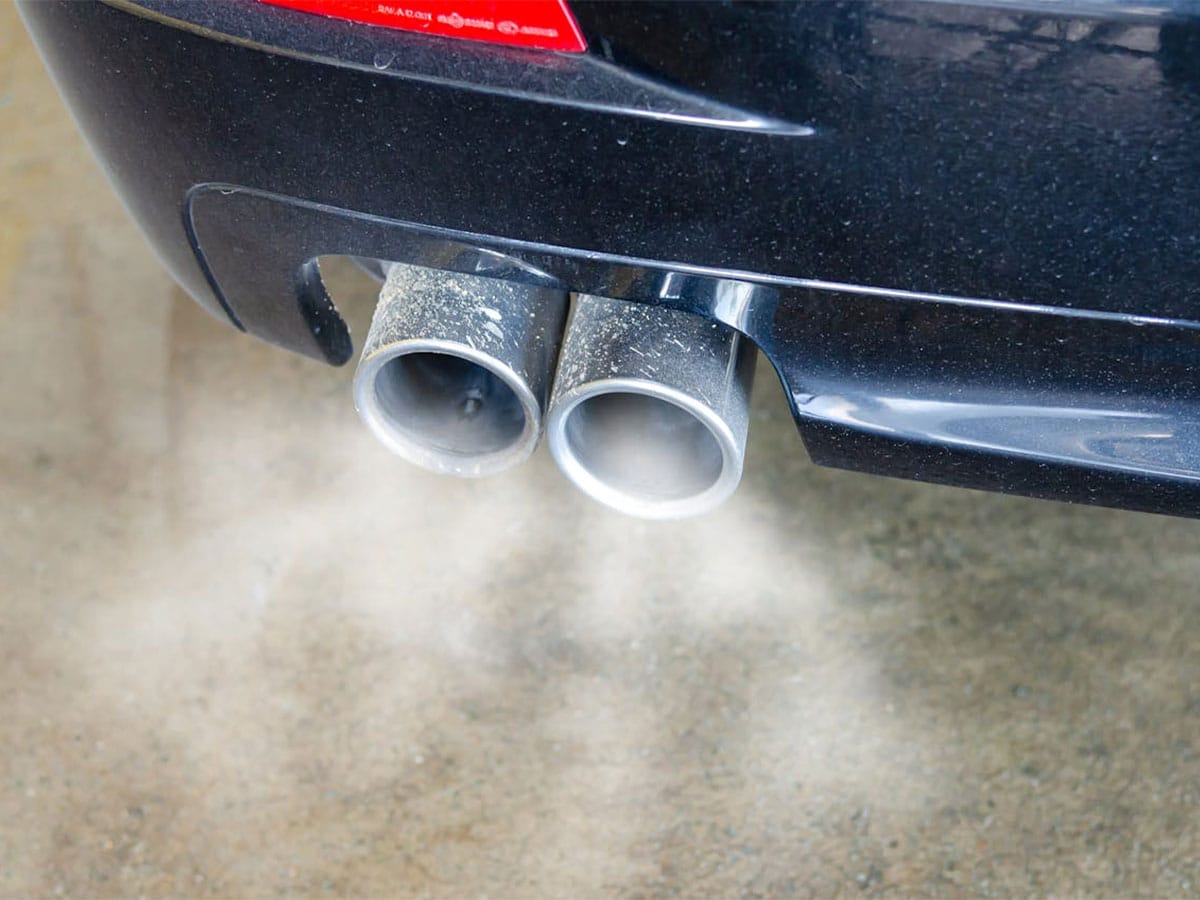
When your car exhaust smells like gas, it’s usually a sign that unburned fuel is finding its way into your car’s exhaust system. A properly running engine completely burns the fuel in the engine‘s cylinders, and the only substances left to be released through the vehicle’s tailpipe are harmless water vapor and carbon dioxide. However, when this combustion cycle is interrupted, raw gasoline can seep out of your exhaust system, producing the very familiar fuel smell from exhaust that’s both alarming and possibly dangerous.
The smell of gasoline from your exhaust is not only unpleasant – it’s a clear warning sign that your engine isn’t burning fuel efficiently. Not only is this inefficient and wastes fuel (and therefore money), but it can also wear out important parts such as your catalytic converter over time.
2. Most Common Causes of Gas Smell From Exhaust
2.1 Rich Air-Fuel Mixture: The Primary Culprit Behind Why Your Car Exhaust Smells Like Gas
The most common cause of your car exhaust smelling like gas is too rich an air-fuel mixture. This happens when you have too much fuel and not enough air flowing into your engine‘s combustion chambers. I have seen this problem countless times, and it usually comes with other symptoms such as black smoke from the tailpipe and poor fuel consumption.
A rich mixture can be caused by a number of underlying issues:
- Fouled up fuel injectors that are injecting too much fuel
- Dirt on the air filter is restricting the airflow to the engine.
- The poor mass airflow sensor is giving inaccurate data to the engine computer
2.2 Faulty Oxygen Sensor: Disrupting the Balance
An oxygen sensor is a very important component of your car. When this sensor goes bad, it will send the wrong signals to your car’s computer, and your engine will run rich. The check engine light is likely to appear when an oxygen sensor malfunctions, and the smell of fuel mixed with poor performance is a sure sign that something is wrong with an oxygen sensor.
From my experience, the oxygen sensor is most likely to go bad from 60,000 to 100,000 miles, particularly on high-mileage vehicles. If you are smelling exhaust that smells like gas and you are experiencing poor gas mileage and rough idling, your bad oxygen sensor may be the cause.
2.3 Fuel Pressure Regulator Problems
A faulty fuel pressure regulator can increase the amount of fuel being injected into your engine‘s combustion chamber. This part is in charge of ensuring that the fuel pressure in your fuel system is kept in the correct range. When it’s bad or not working, you can smell a strong gas smell from exhaust pipe with engine misfire, poor performance, and even fuel appearing inside the vacuum line attached to the regulator.
Some symptoms of a failing fuel pressure regulator are:
- Strong gasoline smell from under your hood
- Black smoke from the exhaust
- Poor fuel economy
- Stuttering when accelerating
- Fuel odour coming from the dipstick
2.4 Catalytic Converter Issues
While the catalytic converter doesn’t directly cause gas smells, a failing catalytic converter can contribute to the problem. When your catalytic converter is clogged or damaged, it is unable to process exhaust gases properly, resulting in incomplete combustion and unburned fuel exiting through the exhaust pipe. This most often creates both gasoline and sulfur smells from your exhaust system.
Usually, a broken catalytic converter will emit the smell of rotten eggs from the unprocessed hydrogen sulfide, but it is possible for unburned fuel to seep through, and that’s what gives off that telltale gas smell.
3. Why Does My Exhaust Smell Like Gas When I Start It Up? Cold Start Considerations
During cold starts, there may be a slight fragrance of gasoline coming from your exhaust for the first 30-60 seconds, which may be relatively normal. When your cold engine first starts, the fuel injectors run richer so that the engine can warm up and run smoothly. It is also possible that some unburned fuel may pass through the exhaust until the engine reaches operating temperature due to this temporary enrichment.
However, if the gas smell doesn’t go away after the initial warm-up period or gets worse, it’s a sign that something is wrong and needs to be addressed. I always tell customers that if there is a mild smell during cold starts, that may be tolerable; however, anything thicker than that or any lingering gasoline smell from the exhaust should be investigated immediately.
4. Why Does My Motorcycle Exhaust Smell Like Gas? Bike-Specific Concerns
Motorcycle owners frequently ask why does my motorcycle exhaust smell like gas out its exhaust and the reasons are the same as cars, but with some unique considerations. Common reasons include:
- Fuel lines are leaking as a result of vibration and road conditions
- Carburetor flooding caused by stuck float needles
- Rich fuel mixture caused by improper tuning
- The fuel tank is overflowing and spilling into the exhaust system
Smelling gas often is associated with the gas system on the motorcycle being more exposed, and consequently more prone to leakage and environmental corrosion.
5. The Dangers of Exhaust Smell in Car
5.1 Dangers of Carbon Monoxide Poisoning
One of the most serious concerns of exhaust problems is that of carbon monoxide (CO) poisoning. If you’re wondering why do i smell exhaust fumes in my car, it could mean you have an exhaust leak and toxic gases are leaking into the passenger compartment.
Carbon monoxide poisoning symptoms include:
- Headaches and dizziness
- Nausea and fatigue
- Confusion and weakness
- Shortness of breath
Carbon monoxide is an odorless and colorless gas, which makes it even more dangerous. Even minor exhaust leaks can cause the CO to accumulate inside your vehicle while idling or in closed spaces. In case of dangerous situations in the car, the exhaust smell is something that needs your immediate attention.
5.2 Fire Hazard Concerns
Fuel leaks that are a source of exhaust gas odors also pose a serious fire risk. Gasoline vapors are highly flammable, and any source of ignition in the immediate vicinity of a fuel leak can cause a dangerous fire. This is why gas exhaust odors that are related to the fuel should be a priority concern.
6. What Are Signs of an Exhaust Leak?
Early detection of exhaust leak symptoms can help you avoid expensive repairs and dangerous situations. Some of the common symptoms of an exhaust leak are:
- Excessive noise or rumbling; out-of-character engine noise
- Poor fuel economy and loss of efficiency
- Loss of power when you accelerate
- Unusual vibrations in the steering wheel or the gas pedal
- Burning smell coming from underhood
- Exhaust fumes in the cabin – that are so strong
7. How To Fix Gas Smell From Exhaust
7.1 DIY Diagnosis Steps
Before seeing a mechanic, there are several things you can do to diagnose the problem and learn how to fix a car smelling like gas:
- Look around under your car for visible fuel leakages.
- Check the gas cap for cracks and loose connections
- Look for black deposits on spark plugs that are a sign of rich running conditions
- Make note of when the smell comes on (cold start vs. warm engine)
- Error code check: Use an OBD scanner to check for error codes.
7.2 Professional Repairs
In the vast majority of exhaust gas odor problems, professional diagnosis and repair are necessary. Common fixes include:
- Oxygen sensor replacement: $150-$400
- Fuel pressure regulator repair: $150 – $600
- Catalytic converter replacement $300 – $4,000
- Exhaust leak repair: $75 – $850 according to location and severity
- Fuel injector service: $200-$800
8. How Much Does It Cost to Fix a Fuel Leak?
The cost to correct exhaust-related fuel problems varies greatly depending on the underlying cause:
- Minor repairs such as replacement of gas cap or cleaning of fuel injectors: $50 to $200
- Moderate problems such as oxygen sensor replacement or fuel pressure regulator replacement – $200-$600
- Major issues which involve replacement of catalytic converter or extensive work on the fuel system: $300 – $4000+
- Complete replacement of exhaust system: $800 – $3,000
An early diagnosis and repair saves you from more expensive damage in the future. For instance, running with a rich fuel mixture can destroy your catalytic converter pretty quickly, making a $200 sensor replacement into a $2000+ converter replacement.
9. Why Does My Exhaust Smell Like Gas: Prevention and Maintenance Tips
9.1 Regular Schedule of Maintenance
The first step to prevent exhaust gas odors is to ensure the proper maintenance of your vehicle.
- Air filters should be replaced every 12,000-15,000 miles
- Replace oxygen sensors every 60,000 – 100,000 miles
- Service fuel injectors every 30,000 – 50,000 miles
- Check fuel lines and connections every so often for leaks.
9.2 Warning Signs to Watch For
Be on the lookout for the following early warning signs that may prevent serious problems:
- Poor fuel economy
- Rough Idling or Engine Dancing
- Black smoke from the exhaust
- Activation of the check engine light
- Strong fuel odours in the garage after parking
10. Strong Exhaust Smell When Idling: How to Be Alarmed
If you notice a strong exhaust smell while idling, then this needs to be addressed immediately. Common causes include:
- Rich fuel mixture unburned fuel in the exhaust
- Exhaust leak, which allows fumes to build up around the vehicle
- A faulty catalytic converter is not running the exhaust properly
- EVAP System Failing and Leaking Fuel
Why do I smell exhaust in my car while idling is often a sign of exhaust system problems that may get worse very quickly.
11. Frequently Asked Questions (FAQs)
11.1 Is It Bad If Your Exhaust Smells Like Gas?
Yes, exhaust that smells like gas is never normal and is a sign that unburned fuel is escaping from your exhaust system. This wastes fuel, can damage your catalytic converter, and may be a safety hazard.
11.2 Is It Safe to Drive a Car If It Smells Like Gas?
While you may be able to drive short distances, it’s not a good idea. Gas smells are a sign of fuel system problems, which can quickly get worse and lead to fire hazards or the risk of carbon monoxide poisoning.
11.3 Why Does My Exhaust Smell When Accelerating?
Exhaust smell on acceleration – often a sign of rich fuel mixture, bad oxygen sensor, or exhaust leak that is worse under load.
11.4 Can a Clogged Fuel Filter Cause a Gas Smell?
While the clogged fuel filter usually does not cause rich running conditions, but rather lean conditions, it can contribute to pressure issues in the fuel system, which could lead to fuel system leaks or improper fuel particle delivery into the fuel injector.
11.5 Why Does My Exhaust Smell Like Rotten Eggs
A rotten egg odor coming from the exhaust usually means a bad catalytic converter that is unable to process the sulfur compounds in the fuel properly.
12. Final Thoughts
The bottom line is this: If your exhaust is smelling like gas, your vehicle is trying to tell you something important. From years of experience in diagnosing these kinds of issues, I’ve learned that if you catch these issues early, you almost always save money and prevent worse problems.
Don’t ignore that gas smell from your exhaust when accelerating. While some of the causes are relatively cheap to repair, others can cause expensive damage if left alone. The key is proper diagnosis by a qualified technician who is able to identify the root cause and make recommendations for the most cost-effective solution.
Remember, the safety of yourself and your passengers should always be your number one priority. If you ever smell exhaust fumes inside your vehicle or have symptoms such as headaches or dizziness when driving, pull over as soon as possible and seek out professional help. Exhaust coming into the car can be life-threatening from the risks of carbon monoxide poisoning.
No matter how you feel about the smell of exhaust fumes or the smell of gas from exhaust, it’s never a bad idea to take the necessary safety precautions when it comes to potentially dangerous exhaust system issues that affect both your car’s smell and your health.